
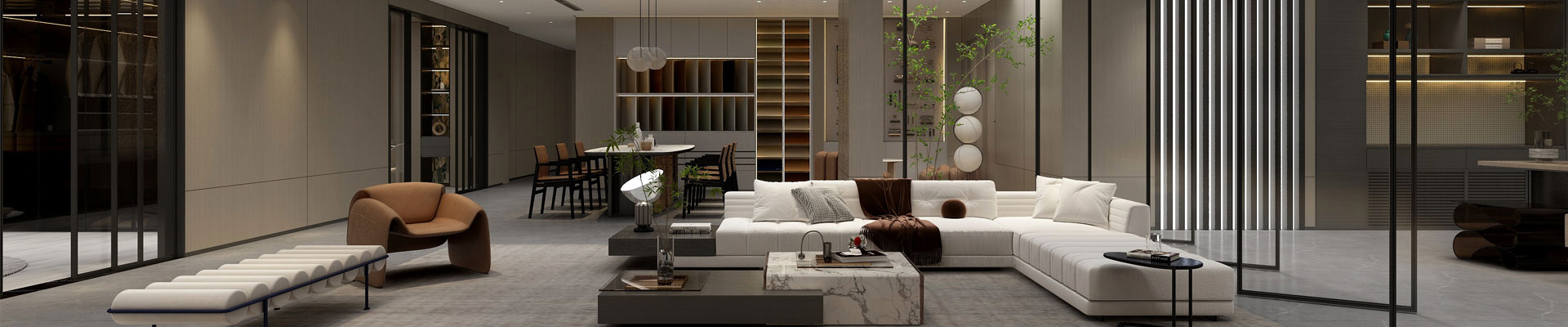
Smart furniture is rapidly reshaping the market landscape, and consumers have responded with tremendous enthusiasm, propelling brands to make swift adjustments. The market has shown a positive reception to smart furniture. As soon as the collaborative achievements of Sofia and Huawei were released, the click-through rate of the "smart package" on Sofia's Tmall flagship store surged dramatically, attracting widespread attention across the industry.
The tightening of environmental protection policies has compelled the custom whole-house furniture sector to accelerate its transition toward eco-friendliness. In July, the national limit for formaldehyde emission was lowered from 0.05 to 0.03. Though the numerical change may seem slight, it has posed new challenges to enterprises' production processes. Against this backdrop, Tubaobao responded promptly by adjusting its product strategy, demonstrating the brand’s agility in adapting to new standards.
In the competitive arena, leading brands such as Oppein and Sofia hold an unassailable edge in technological development and market share, while small manufacturers are struggling to keep pace. Plagued by insufficient scale and technological capabilities, these small players are gradually losing ground in terms of market share. Over time, their order volumes have dwindled, in stark contrast to the packed exhibition booths of top brands, highlighting a clear market polarization.
Future Development Directions
In the next six months, several new trends will emerge within the industry. First, in the realm of AI and personalized design, leading enterprises like Oppein plan to further open up their AI design systems and integrate a "demolition + protection" module to better cater to the renovation needs of old houses.
Market competition has entered a new dimension, where database scale and intelligent panel technology have become the key battlegrounds for brand rivalry. In this domain, top brands command an absolute advantage that leaves other small manufacturers far behind. Through intelligent innovation and the layout of eco-friendly products, the industry’s concentration rate will be further elevated.
When selecting brands, consumers’ focus has shifted from a mere low-price strategy to the intelligence and environmental performance of products. They are more concerned about a brand’s technological strength and environmental standards rather than simply comparing the thickness of furniture panels. This shift in consumer preferences means that brands relying solely on price competition will face the risk of being eliminated. What drives consumers’ brand choices is not just price, but also the brand’s long-term service capabilities and sustainability. Only by focusing on technological investment and service enhancement can enterprises remain invincible in this rapidly evolving market.